
Growing Readers · Story Structure
Story Plot: Teaching Beginning, Middle, and End (and the Five Parts Tests Ask About)
Plot questions trip up young test-takers more than almost any other kind. Story maps, sequencing games, and the five plot elements — explained for parents.
Plot is how a story unfolds — and knowing its structure helps children do two things tests measure: remember what happened, and find information fast. A child who knows something happened "at the beginning" or "near the end" can go back and locate it in seconds. Here's how to build that understanding at home.
The story map
A story map is a simple visual organizer that breaks a story into its key parts: the beginning, the middle, and the end — identifying characters, setting, problem, and solution along the way.
You can practice with any familiar story, a favorite movie, or even a typical day: what happened first, what went wrong in the middle, how it worked out. Children don't need a new story to learn the structure — they need practice seeing structure in stories they already know.
Three exercises to try this week
1. Fill-in-the-blank story map
Take a short story and have your child label the parts:
- Beginning: who are the characters, and what's the setting?
- Middle: what problem or challenge arises?
- End: how is the problem resolved?
2. Sequence jumble
Write five or six events from a well-known story (or a movie your child loves) on cards, mix them up, and have your child put them back in order — then explain why that order makes sense. Explaining the order is where the comprehension happens.
3. Create your own story map
Have your child invent a short story — from their own life, a favorite movie, or pure imagination — and fill in a story map for it. Creating a story with clear structure proves they understand structure far better than answering questions about one ever could.
For older readers: the five parts of a plot
Somewhere around third or fourth grade, tests start expecting children to know the five classic plot elements:
- Exposition — the beginning, where characters, setting, and background are introduced
- Rising action — the events that build up, introducing problems and challenges
- Climax — the most exciting or important moment, where the problem peaks
- Falling action — the events after the climax that lead toward a solution
- Resolution — the ending, where problems are resolved and the story concludes
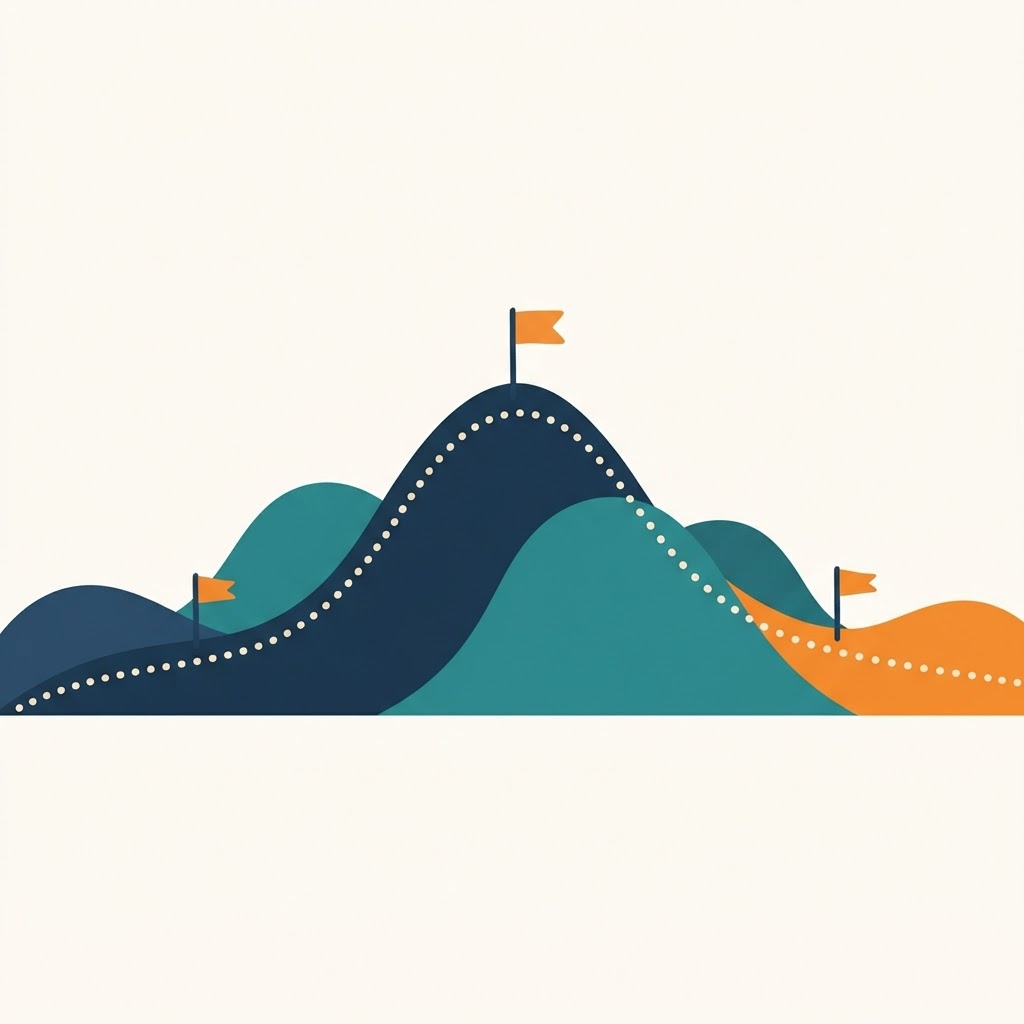
A plot diagram (a simple mountain shape, rising to the climax and coming back down) is the classic graphic organizer — your child fills it in while reading and suddenly the invisible structure of a story is visible.
Four everyday habits
- Ask guiding questions: Who are the main characters? What's the problem? What's the most exciting part? How does it end?
- Start with easy stories: fairy tales and fables have beautifully clear plots — perfect for practicing the five parts.
- Act it out: retelling or acting a story forces a child to keep the order straight — and it's memorable.
- Encourage writing: a child who writes even a tiny story with a clear beginning, middle, and end has internalized plot for life.
A few weeks of casual story-mapping and "what happened first?" conversations give your child the plot reflex that turns plot questions into easy points.
Let your child try it right now
Putting story events in order is exactly what the story sequencing game practices. Sit with your child and press play — no sign-up, no email needed.
Play a reading gameReviewed by The Reading Doctor team · 2018-11-08