

Growing Readers · Reading Fluency
7 Signs Your 2nd Grader Is Behind in Reading (and What to Do Next)
Guessing words, choppy reading, avoiding books? Learn the seven research-backed signs that a second grader is falling behind in reading — and the simple first step to catch up.
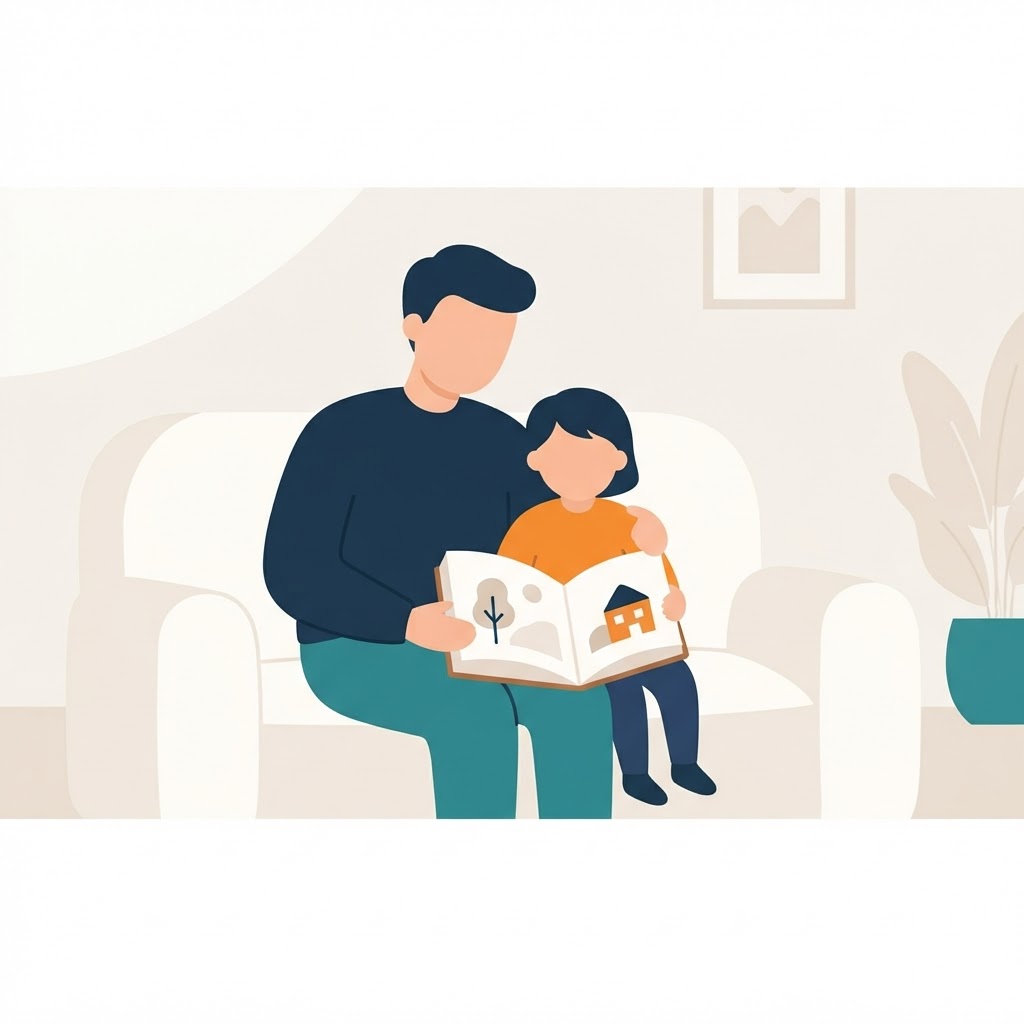
Second grade is the year reading is supposed to take off. The decoding work of kindergarten and first grade turns into real, comfortable reading — chapter books, jokes read aloud at dinner, cereal boxes deciphered at breakfast. It's also the year the gap between strong readers and struggling readers becomes obvious, because second graders are expected to read to learn, not just learn to read.
The reassuring news: second grade is also one of the best times to intervene. A reading gap at age seven or eight is very responsive to focused help. The key is noticing it early. Here are the seven signs teachers and reading specialists watch for.
1. They guess instead of sounding out
Watch your child read an unfamiliar word. A strong reader looks at the letters and works through them. A struggling reader guesses — from the picture, from the first letter, from what would make sense. "Camping" becomes "cooking." "Horse" becomes "house."
Guessing feels like reading to a child, which is exactly why it's dangerous: it works fine in first-grade picture books and then falls apart when the pictures disappear. If your child guesses more than they decode, the phonics foundation needs strengthening.
2. Reading aloud is slow and choppy
By the end of second grade, most children read a grade-level passage smoothly at roughly 90 words per minute — reading screeners like DIBELS count words correct per minute because speed and accuracy together show whether decoding has become automatic.
Listen to your child read. Do they stop constantly, sound out the same kinds of words over and over, lose their place, or read without any expression — like a robot reciting? Occasional stumbling is normal with new words. But if every sentence is a struggle, the fluency foundation isn't there yet, and comprehension will suffer right behind it.
3. They dodge books
Children rarely say "reading is hard for me." They say "I don't feel like it," or "reading is boring," or they suddenly develop enormous enthusiasm for literally anything with a screen.
Avoidance is one of the most reliable signals there is — and it creates a cruel cycle: the less they read, the further behind they fall, the less they want to read. If your child used to tolerate reading time and now fights it, treat that as information, not defiance.
4. Common words still trip them up
By second grade, high-frequency words — the, said, was, because, friend — should be instant. They make up a huge share of everything children read, so every one of these words that still has to be worked out is a little speed bump on every page.
Watch for a pattern where even words your child has seen hundreds of times don't come out automatically. It usually means their brain is working so hard on decoding that nothing is left over for recognizing words at a glance.
5. They can read the words but can't tell you about the story
Ask your child what happened in what they just read. If they can pronounce every word but shrug at the question — who was it about? what happened next? — you're seeing the hidden cost of choppy decoding: all their mental energy went into sounding out, leaving nothing for meaning.
This one worries parents the most, but it's often the easiest to fix — because it usually means the only real problem is that decoding isn't automatic yet. Free up that mental energy and comprehension tends to bloom.
6. Their spelling is far behind their talking
Spelling is decoding in reverse, so it reveals what your child actually knows about sounds and letters. If your second grader writes becuz for because or wuz for was once in a while, that's normal inventive spelling. But if their writing is full of unrelated or missing letters and they can't hear the sounds in words they use every day, phonics gaps are showing up on the page too.
7. Reading homework ends in tears — theirs or yours
Fifteen minutes of reading homework that takes an hour, ends in a meltdown, or both. If this is your household several nights a week, your child isn't lazy and you aren't doing it wrong. Sustained frustration at homework time is often the point where a reading gap has finally grown big enough to be impossible to ignore.
What these signs mean together
One sign, some of the time, is ordinary childhood. But if you checked off two or three — especially guessing, choppy reading, and avoidance together — that pattern usually traces back to the same root: decoding that never became automatic. The earlier years' phonics skills didn't fully consolidate, and now every part of reading is built on a shaky floor.
The good news is that this is one of the most fixable problems in all of education. Targeted practice at the right level — not just "more reading," but practice aimed at the specific skills your child is missing — is exactly what reading intervention is, and second graders respond to it quickly.
Why now matters
Gaps in reading don't stay the same size. A child a few months behind in second grade becomes a child years behind by fifth grade — not because anyone stopped trying, but because reading is the tool children use to learn everything else. The reverse is also true: a gap caught and closed in second grade rarely comes back.
So the first step isn't more worksheets or stricter homework rules. It's finding out exactly where your child stands — which specific skills are solid, and which ones are shaky — so that practice lands where it will actually help.
Find out exactly where your child stands
A free reading check pinpoints which skills are solid and which are shaky — so the practice lands exactly where it will help. Takes about 10 minutes.
Start the free reading checkReviewed by The Reading Doctor team · 2026-09-25